
We’re excited to introduce you to the newest member of the SACReD team, Rev. B. T. Pascall, Director of Organizing. Below you’ll find a introductory bio to B. T.’s work, followed by a short Q&A that provides additional insights to their life and their vision for organizing work at SACReD.
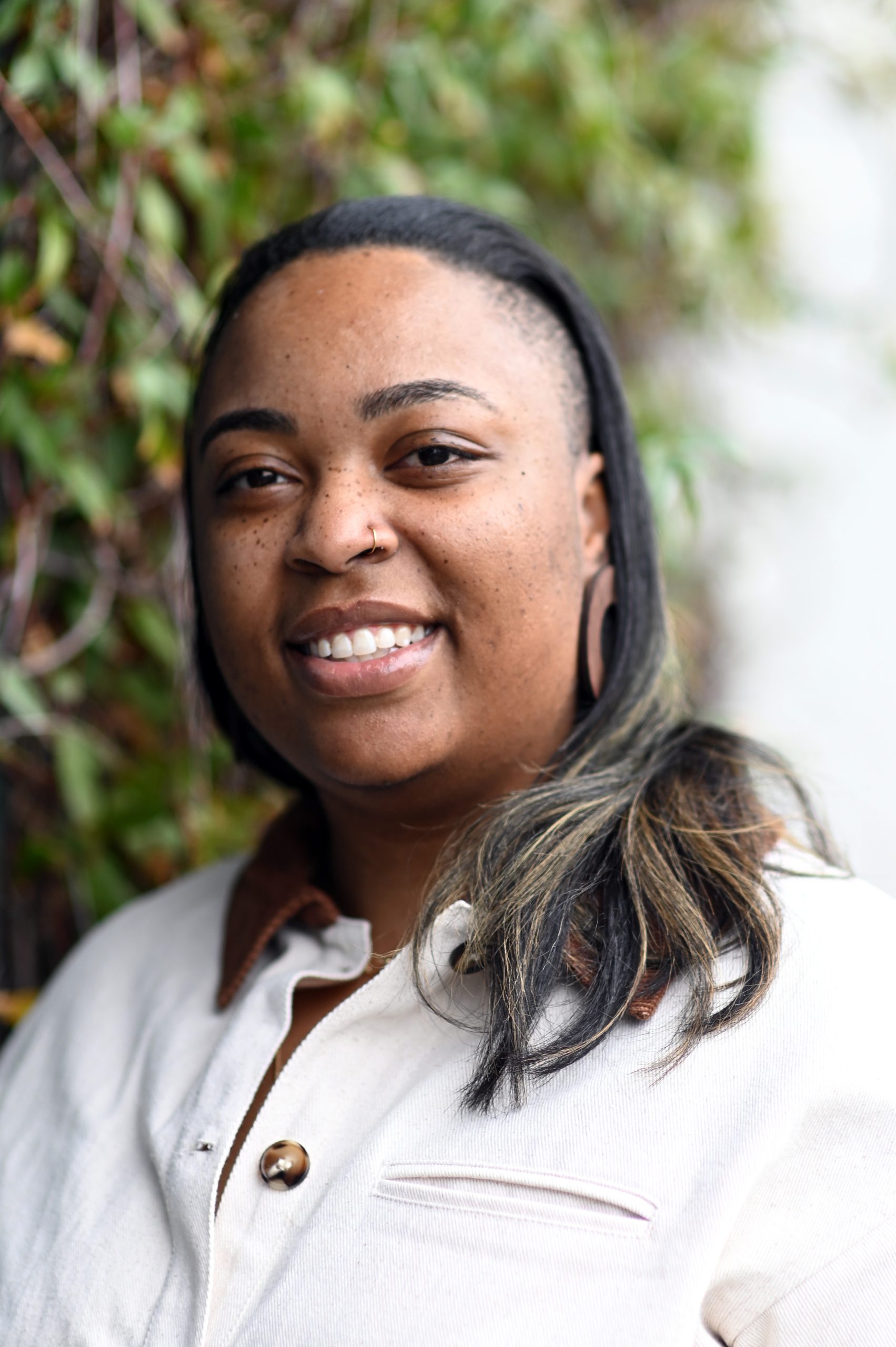
Rev. B. T. Paschall (she/they/beloved), affectionately known as Rev. Beloved, serves as SACReD’s Director of Organizing. They enter this work as a Black queer feminist educator, organizer, and memory worker who believes Reproductive Justice is the playbook Black women gave us for surviving the apocalypse and building what comes after it. B.T.’s commitment to education began as a teenage youth organizer and has evolved into a pedagogical approach that views learning as a tool for liberation. This vocation was first sparked by their grandmother’s obituary box, a quiet archive of love and lineage that remains their North Star. She holds a Master of Religion and Public Life from Harvard Divinity School and is a second generation Baptist minister formed by the Black church and transformed by Black liberation movements. Her spiritual lineage is rooted in the wisdom of Black women elders, movement chaplains, and womb centered healing traditions. A budding land steward, B.T. lives on land purchased in 1879 by their self emancipated great grandfather, alongside their dog, Arney Yale. Rev. Beloved is most proud to be the granddaughter of Samuel, Sarah, Doris, and Julius, and the daughter of Glenn, Delta, and the dust.
Q&A: A Conversation with Rev. B. T. Paschall
1. Tell us a bit about yourself!
I have been a community organizer and educator at heart since the age of 15, deeply committed to the power of spiritually grounded communities. For me, education is not just about the transfer of information, but a practice of freedom that invites us to imagine new worlds. My pedagogical approach is rooted in the belief that we are all teachers and learners, a commitment that has served as the bedrock for my ministry and my approach to organizing. My path is woven together by theology, nonprofit leadership, and my work as a Black birthworker. Beyond my professional roles, I am a proud member of Delta Sigma Theta Sorority, Inc. and Top Ladies of Distinction, Inc., and I find deep meaning in the intersection of service, scholarship, and sacred memory.
2. What drew you to the team at SACReD?
I am moved by SACReD’s commitment to centering faith in the fight for reproductive dignity and justice. I truly believe that for our movements to be sustainable, they must be as spiritually rooted as they are socially driven. I joined this team to help cultivate a collective transformation that honors the sacredness of our bodies and our stories.
3. What do you hope to achieve in your new role?
As Director of Organizing at SACReD, I hope to co-create a faith based organizing ecosystem where Reproductive Justice is embodied through sustained collective practice across congregations, leaders, and coalitions. I will prioritize building a clear and scalable organizing model that moves people from introduction to formation to mobilization. In alignment with the strategic plan and in collaboration with the SACReD community, I will engage the following core strategies:
- Tiered Base Building: Meet stakeholders where they are and build clear pathways from introduction to deeper organizing engagement, recognizing that readiness, experience, and theological context will vary.
- Leadership Pipeline and Train-the-Trainer Model: Develop Organizing 101 and expanded education that equips stakeholders to facilitate trainings, reducing dependency on staff and building sustainable internal leadership.
- Narrative and Culture Shift: Support faith communities in confronting harmful religious narratives while grounding Reproductive Justice in liberative theology, moral formation, and embodied spiritual practice.
4. What’s something fun about you that people might not know?
When I’m not organizing, I’m likely getting lost in my record collection from Sam Cooke and Gladys Knight to Kendrick Lamar. I also have a deep love for the tactile history found in thrift shops, the community at local farmers’ markets, and the simple joy of a perfectly crafted artisan coffee on occasion.